
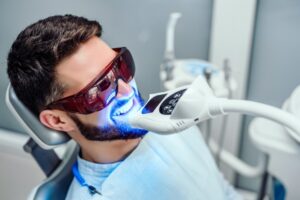
Teeth whitening is one of the most popular cosmetic dental treatments, but it isn’t always as simple as applying whitening gel and enjoying a brighter smile. If you have untreated cavities, whitening your teeth can be uncomfortable and even harmful. Understanding why cavities and teeth whitening can be a dangerous combination is essential for protecting your oral health.
Why Cavities and Whitening Don’t Mix
Cavities are areas of tooth decay where enamel has been damaged or broken down. Whitening products are designed to penetrate enamel and lift stains from within the tooth. When enamel is compromised by decay, whitening agents can travel deeper into the tooth than intended. This can irritate the inner layers of the tooth, leading to sharp pain, extreme sensitivity, or inflammation of the dental pulp.
Because whitening products don’t discriminate between healthy and damaged enamel, they can worsen existing dental problems rather than improve your smile.
Increased Sensitivity and Pain
One of the most common side effects of whitening with cavities is heightened sensitivity. Teeth with decay are already vulnerable and exposing them to whitening chemicals can intensify discomfort when eating or drinking hot, cold, or sweet foods. In some cases, pain can linger long after the whitening process is complete.
This sensitivity isn’t just uncomfortable; it’s often a warning sign that the tooth needs treatment, not cosmetic enhancement.
Whitening Won’t Fix Uneven Color
Cavities, fillings, and other restorations don’t respond to whitening agents the same way natural enamel does. This can result in uneven coloring, where treated teeth appear whiter while areas affected by decay or fillings remain darker. The result may be a patchy or unnatural-looking smile that ultimately requires more dental work to correct.
Risk of Infection and Further Damage
Whitening over untreated cavities can increase the risk of infection. As whitening agents seep into weakened areas, they may aggravate bacteria already present in the tooth. This can accelerate decay or lead to complications such as inflammation, abscesses, or the need for root canal treatment.
Why a Dental Exam Comes First
Before whitening, a dental exam is essential. Your dentist can identify cavities, enamel erosion, or gum issues that need to be addressed first. Treating cavities before whitening not only prevents pain and damage but also ensures better, longer-lasting whitening results.
Safe Alternatives for a Brighter Smile
Once cavities are treated, professional whitening under dental supervision is the safest option. Dentists can tailor treatment to minimize sensitivity and ensure your teeth are healthy enough for whitening.
Teeth whitening can be safe and effective, but only on healthy teeth. Whitening with untreated cavities can cause pain, worsen decay, and lead to costly dental problems. Addressing oral health issues first is the best way to protect your smile and achieve beautiful, lasting results safely.
About the Author
Dr. Nicholas Brong has more than a decade of experience practicing dentistry. He is a graduate of the University of California, San Francisco and has undergone extensive training and continuing education since then, including a 9-week externship that involves providing exams, restorations, extractions, and emergency care on both adult and pediatric patients. Today, Dr. Brong is a proud member of the Minnesota Dental Association, the American Dental Association, and SPEAR Education. If you’d like a glow-up for your smile, schedule an appointment online or call (507) 288-1066.