
Periodontal Disease Treatment – Rochester, MN
Fighting Advanced
Gum Infections

Gum disease is an extremely common oral health problem. It can cause your gums to become red and irritated and make them bleed more easily, and it can also eventually lead to tooth loss. Some studies show that gum disease may even be a contributing factor to many cases of heart disease. Dr. Brong can treat your gum disease with effective treatments like scaling and root planing so you can protect your smile and avoid the worst potential long-term complications of gum disease. If you are concerned about gum disease, please contact our Rochester office today.
Why Choose Zumbro Family Dental for Periodontal Disease Treatment?
- State-of-the-Art Dental Technology
- Qualified and Compassionate Dentist
- Judgment-Free Periodontal Care
What Is Gum Disease?

Gum disease is a bacterial infection that affects the soft tissues and jawbone structures supporting the teeth. While this condition may seem like a negligible problem when it first develops, neglecting to take care of it can lead to a host of undesirable oral health consequences such as painful swelling, chronic bad breath, dental misalignments, and permanent tooth loss. To make matters worse, severely advanced cases of gum disease may lead to dangerous secondary infections like pneumonia or sepsis. While gum disease can usually be reversed with improved oral hygiene habits if it is caught in its early stages, untreated infections will eventually develop into periodontitis, a destructive condition that causes permanent damage and must be managed with professional treatment.
Symptoms of Gum Disease

Gingivitis, the first stage of gum disease that can often be resolved with improved oral hygiene, may show itself through symptoms like:
- Redness or swelling of the gums
- Bleeding during brushing or flossing sessions
- Sensitive or tender gum tissue
- Chronic bad breath (halitosis)
- Minor gum recession
Periodontitis, the more severe form of gum disease that causes permanent damage, can involve symptoms like:
- Painful chewing
- Looseness of permanent teeth
- Severe gum recession
- Dental sensitivity due to exposure of the tooth roots
- Change in bite alignment
- Change in the way restorative devices like dentures fit
- Tooth loss
How Do We Treat Gum Disease?

The first step to treating gum disease is to have Dr. Brong evaluate the problem at our Rochester office. Based on his findings, he may recommend a treatment like scaling and root planing.
Scaling & Root Planing
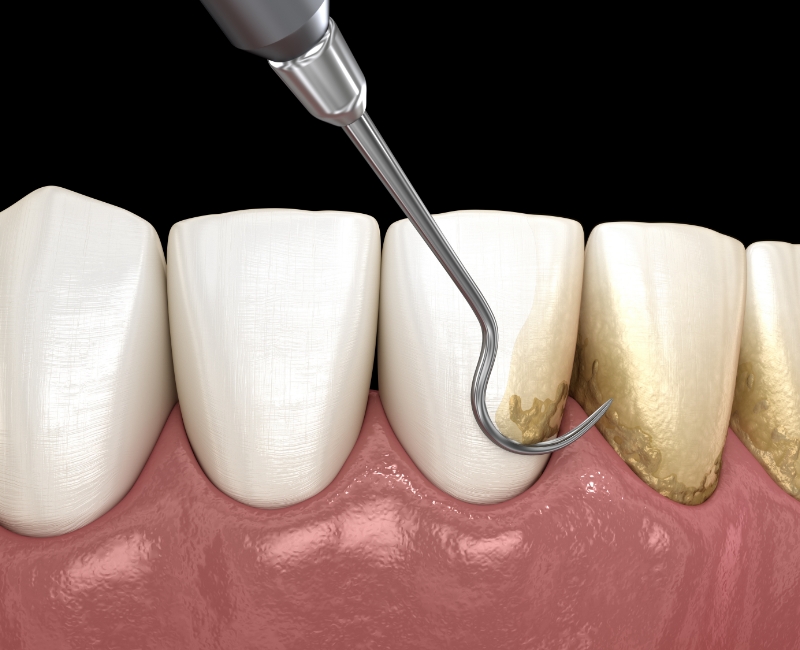
The scaling and root planing process is sometimes referred to as a “deep cleaning,” and it typically takes two appointments. During the first, we will scrape away the plaque that has accumulated on your smile as well as in the pockets that form when the gums pull away from the teeth. During the second appointment, we will perform root planing, which helps prevent reinfection by smoothing out the surfaces of the dental roots. This makes them much harder for bacteria to attach to and helps the teeth reintegrate with the gum tissue.
Do I Need Scaling & Root Planing?
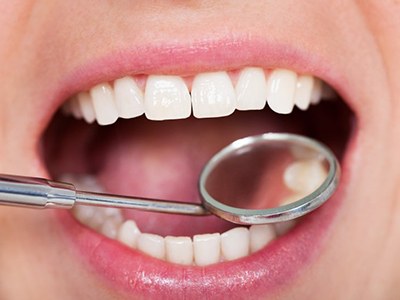
Not everyone diagnosed with gum disease needs scaling and root planing. In the gingivitis stage, harmful bacteria can often be eliminated with increased oral hygiene efforts at home or more frequent professional cleanings. In the periodontitis stage, however, the bacteria has likely spread to deeper layers of tissue that can’t be reached with a toothbrush or standard dental instruments.
Another concern is that as the bacteria travels deeper, it causes the gums to separate from the dental roots, destabilizing the teeth and forming “periodontal pockets” (pockets of air where bacteria can easily hide and accumulate). At this point, scaling and root planing is needed to 1) remove the infection, and 2) prevent reinfection.
The Process of Scaling & Root Planing

Many people think of scaling and root planing as a “deep cleaning” because the scaling process is, in many ways, a more thorough version of the cleanings you would receive at a regular checkup. Dr. Brong will use specialized instruments to remove gum disease bacteria from the surface of your teeth as well as from below your gumline, where periodontal pockets could be located just out of sight.
Root planing is more like a massage for your gums. Dr. Brong will smooth out any periodontal pockets, which, in addition to limiting spaces where gum disease bacteria can accumulate, encourages the tissue to reattach to the dental roots. Root planing is an essential step in promoting the healing process.
Aftercare Tips for Scaling & Root Planing
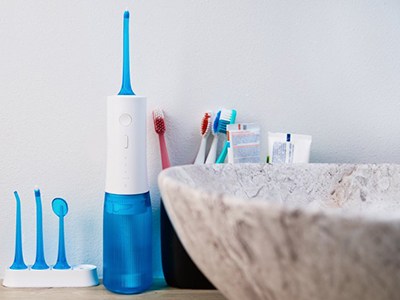
It’s normal to feel some soreness after scaling and root planing. Please take over-the-counter or prescribed pain relievers as necessary to address your discomfort. Within a week or two, any tenderness should fade – if it doesn’t or if the pain gets worse, contact our office immediately so we can help.
You should continue to brush and floss your teeth. In fact, good oral hygiene is essential for promoting a smooth recovery. We’ll instruct you on the best way to clean your teeth after scaling and root planing, and may advise you to take antibiotics or rinse with a special mouthwash.
Other than that, try to avoid eating for at least two hours after your treatment. We’ll use a local anesthetic to help ensure you’re comfortable during the scaling and root planing process, and your mouth will likely still be numb when you return home. It will be difficult to chew without accidentally biting your tongue or cheek, which could cause further irritation.